
Industries · BUS & TRUCK
Bonding solutions for bus & truck.
Bus and truck assembly involves bonding large body panels, sealing seams against weather and road noise, joining dissimilar metals, and keeping chassis fasteners tight through constant vibration. MightyLoc supplies a structured range of acrylic foam tapes, structural methacrylate adhesives, polyurethane and MS polymer sealants, and anaerobic threadlockers sized to each of those jobs.

Recommended products
MightyLoc products for Bus & Truck
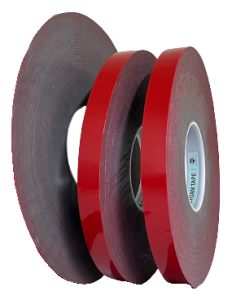
AFT 1080GF
Acrylic Foam Tape
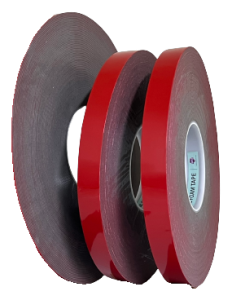
AFT 1120GF
Acrylic Foam Tape
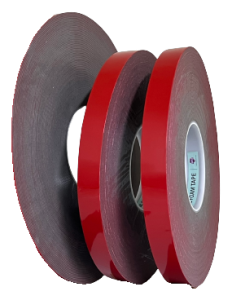
AFT 1200GF
Acrylic Foam Tape
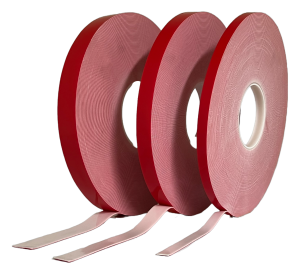
AFT 2064WF
Acrylic Foam Tape
AFT 2120WF
Acrylic Foam Tape
MightyLoc 9025
Methacrylate
Taftbond
5 Minutes Epoxy
Taftflex 6221
Polyurethane Sealant
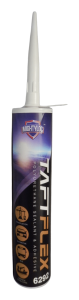
Taftflex 6292
Polyurethane Sealant

TaftGrip
MS Polymer
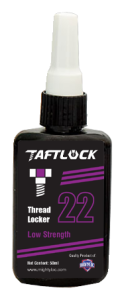
Taftlock 22
Anaerobic Adhesives
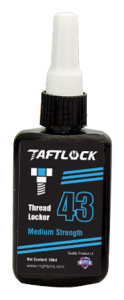
Taftlock 43
Anaerobic Adhesives
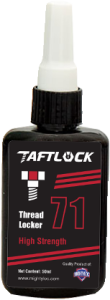
Taftlock 71
Anaerobic Adhesives
Not sure which to choose?
Tell us your substrates and service conditions; we will point you to the right chemistry.
Talk to our teamBonding and sealing challenges in bus and truck assembly
Large sidewall, roof and floor panels present two problems that mechanical fasteners alone cannot solve well. First, point-loaded rivets and screws concentrate stress at each hole, which accelerates fatigue cracking on thin sheet metal and aluminium extrusions. Second, drilled holes break the paint barrier, creating corrosion paths in tropical humidity and under road salt. Continuous adhesive bonds spread load across the full joint length and leave the panel surface intact. A separate challenge comes from dissimilar materials: steel chassis members, aluminium superstructure profiles, composite cladding panels, and glass windows all expand at different rates under the heat of tropical sun and a running engine bay. A rigid adhesive bond in that situation transfers thermal stress directly into the substrate. A viscoelastic bond line absorbs differential movement and reduces the risk of delamination or cracking over the vehicle service life.
MightyLoc products matched to bus and truck jobs
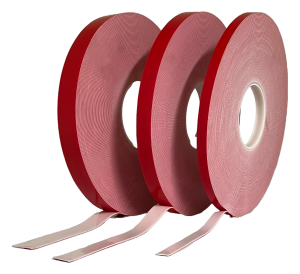
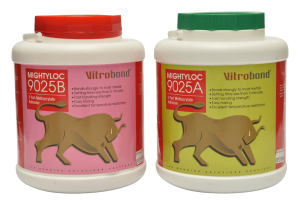
For structural panel bonding, the AFT acrylic foam tape range offers several thickness options: AFT 1080GF at 180-degree peel strength of 3000 g/25mm, AFT 1120GF with a viscoelastic foam core that absorbs differential thermal expansion and vibration, and AFT 1200GF at 2.0 mm thickness for bridging larger gaps and conforming to curved canopy surfaces. Where a white bond line is needed for interior trim or bright panels, AFT 2120WF delivers 3200 g/25mm peel strength in a 1.2 mm profile. For joining structural metal members without the heat distortion that spot welding causes on thin panels, MightyLoc 9025 two-part methacrylate adhesive provides lap shear strength over 50 kg/cm2 and a service temperature range of -40 to +150 C continuous, with brief excursions to 200 C for under 20 minutes. Moving seams, drain channels, and body joints that flex with chassis twist need an elastic sealant. Taftflex 6292 polyurethane sealant reaches around 600 percent elongation at break and handles -40 to +90 C service. TaftGrip MS polymer adhesive sealant cures moisture-free of solvents, isocyanates, silicones, and PVC, skins in 5 to 10 minutes, and bonds to most substrates without a primer. For chassis and drivetrain fasteners subject to road vibration, Taftlock 22 suits fasteners up to 6 mm, Taftlock 43 covers 6 to 20 mm fasteners including stainless steel and plated parts, and Taftlock 71 provides high-strength locking on metal screws and rivets. All three threadlockers are rated from -55 to +150 C.
Specifying the right product for your joint
Substrate preparation is the largest controllable variable in adhesive performance. Acrylic foam tapes require clean, dry, oil-free surfaces and sufficient dwell pressure after application. For structural metal bonding with MightyLoc 9025, surface abrasion improves the mechanical key before adhesive application. For TaftGrip MS polymer, the manufacturer states primerless adhesion to many substrates, but surfaces should still be free of contamination and loose particles. Joint movement is the next decision point. If the joint must flex or absorb vibration, a rigid adhesive such as MightyLoc 9025 should not be used alone; pair it with an elastic perimeter sealant or choose a foam tape whose viscoelastic core accommodates movement. Service temperature matters most in engine bay and exhaust proximity applications. MightyLoc 9025 handles up to 150 C continuous; AFT 1080GF is rated to 90 C continuous with brief excursions to 120 C, while the service temperature for AFT 1120GF and AFT 1200GF should be confirmed against the Technical Data Sheet. Finally, consider disassembly requirements. Taftlock 22 and Taftlock 43 allow later removal with hand tools. High-strength Taftlock 71 is intended for permanent fastening. Structural methacrylate and foam tape bonds are generally not intended for routine disassembly.
Cure and handling in production environments
Production-line throughput requires predictable handling times. TaftGrip MS polymer skins in 5 to 10 minutes, reaches functional cure in 24 hours, and full cure in 7 days. Acrylic foam tapes reach working bond strength immediately on application under pressure, though full adhesive build continues over hours. MightyLoc 9025 two-part methacrylate cures at room temperature after mixing; working time and fixture time depend on ambient temperature and mix ratio. Taftflex polyurethane sealants are one-component moisture-cure products, so cure rate in a climate-controlled paint shop will differ from an open assembly bay in tropical humidity. For anaerobic threadlockers, cure requires the absence of air and contact with a metal surface; stainless steel and passivated or plated fasteners cure more slowly and may benefit from an accelerator. Confirm current handling times against the Technical Data Sheet for each product before setting production fixtures.
FAQ · BUS & TRUCK
Questions bus & truck teams ask.
Acrylic foam tape can replace or significantly reduce rivet count on metal, aluminium, stainless steel, acrylic and glass panels. AFT 1080GF has a 180-degree peel strength of 3000 g/25mm and AFT 2120WF reaches 3200 g/25mm. The bond distributes load continuously rather than at discrete points. Confirm suitability for your specific panel weight and dynamic load with the current Technical Data Sheet and a representative joint test.
MightyLoc 9025 two-part methacrylate is formulated to join dissimilar metals without heat distortion. Its stated lap shear strength is over 50 kg/cm2 and it handles -40 to +150 C continuous service. For joints that must also seal against water ingress, a compatible elastic perimeter sealant such as Taftflex 6292 or TaftGrip can be applied alongside the structural bond. Confirm surface preparation requirements against the current Technical Data Sheet.
Taftflex 6292 low-modulus polyurethane sealant is rated at around 600 percent elongation at break, making it suited to seams and joints that flex with chassis twist. It is weather and tear resistant, paintable, non-staining, and rated from -40 to +90 C. TaftGrip MS polymer is also elastic and paintable, with primerless adhesion to many substrates and a service temperature of -40 to +90 C. Confirm current elongation and adhesion data against the Technical Data Sheet.
Anaerobic threadlockers cure in the fastener gap and resist vibration loosening. Taftlock 22 covers fasteners up to 6 mm and allows later hand-tool removal. Taftlock 43 handles 6 to 20 mm fasteners including stainless steel and plated parts and is also hand-tool removable. Both are rated from -55 to +150 C. For permanent locking on metal fasteners, Taftlock 71 provides high strength in the same temperature range. Match the grade to fastener diameter and whether future disassembly is needed.
MightyLoc 9025 cures at room temperature without heat, which avoids the heat distortion and paint damage associated with spot welding. The product is a two-part methacrylate and should be handled with appropriate ventilation and PPE as specified in the Safety Data Sheet. It is not described as paintable in the provided data, so apply after final paint or mask the bond area. Review the full Safety Data Sheet before production use.
AFT 1080GF is rated at -10 to +90 C continuous service, with brief excursions to +120 C; the published service temperature for AFT 1120GF and AFT 1200GF should be confirmed against their Technical Data Sheets. Engine bay surfaces directly adjacent to exhaust components or manifolds can exceed these temperatures in sustained operation. For high-heat zones, MightyLoc 9025 methacrylate (rated to +150 C continuous, brief excursions to 200 C for under 20 minutes) may be more appropriate. Confirm suitability against the current Technical Data Sheet for each product.