
Industries · METAL FABRICATION
Bonding solutions for metal fabrication.
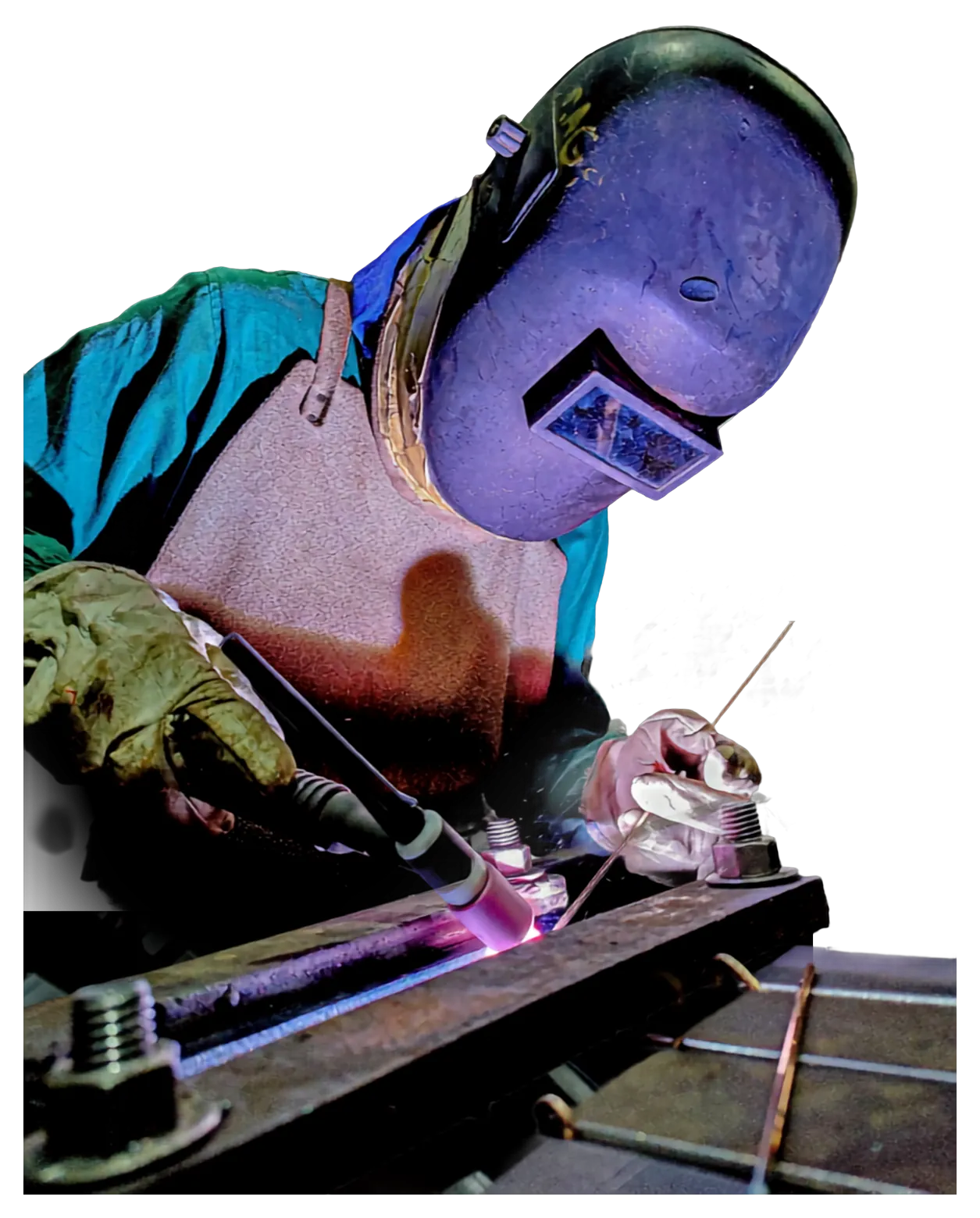
Metal fabrication shops deal with dissimilar-metal assemblies, thin-gauge panels, vibrating machinery, and finishing work that cannot tolerate heat distortion. MightyLoc supplies structural adhesives, acrylic foam tapes, threadlockers, and elastic sealants chosen for these conditions, covering bonding, fastener retention, and seam sealing across steel, aluminium, and stainless steel substrates.
Recommended products
MightyLoc products for Metal Fabrication
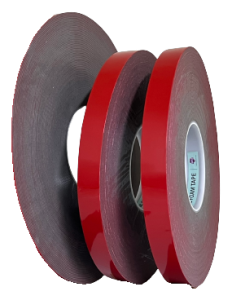
AFT 1120GF
Acrylic Foam Tape
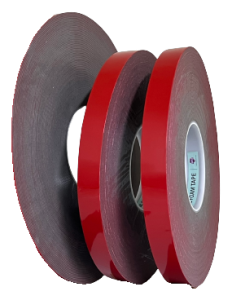
AFT 1200GF
Acrylic Foam Tape
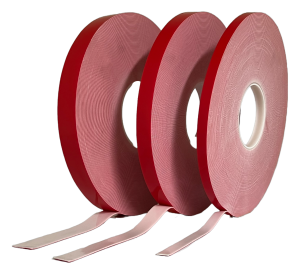
AFT 2064WF
Acrylic Foam Tape
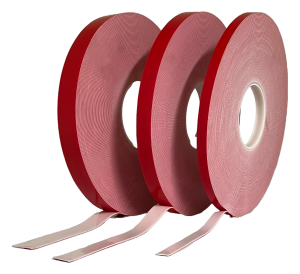
AFT 2120WF
Acrylic Foam Tape
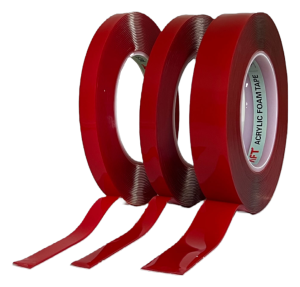
AFT 3100CF
Acrylic Foam Tape
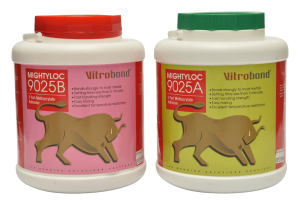
MightyLoc 9025
Methacrylate
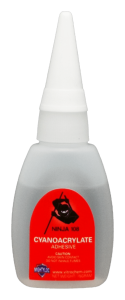
Ninja 108
Cyanoacrylate
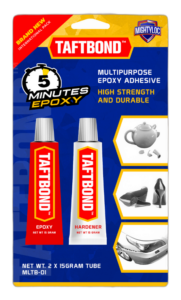
Taftbond
5 Minutes Epoxy
Taftflex 6221
Polyurethane Sealant

TaftGrip
MS Polymer
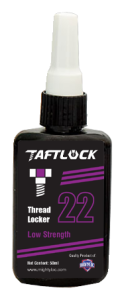
Taftlock 22
Anaerobic Adhesives
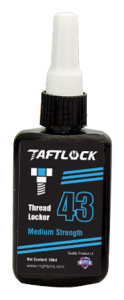
Taftlock 43
Anaerobic Adhesives
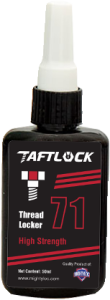
Taftlock 71
Anaerobic Adhesives
Not sure which to choose?
Tell us your substrates and service conditions; we will point you to the right chemistry.
Talk to our teamJoining and bonding challenges in metal fabrication
Welding on thin-gauge sheet metal risks burn-through, heat distortion, and warping that requires costly post-process straightening and refinishing. Joining dissimilar metals such as steel to aluminium creates galvanic concerns at weld pools and requires filler-metal selection that is not always practical on fabricated assemblies. Mechanical fasteners add weight, create stress concentrations at hole locations, and leave exposed fastener heads that complicate finishing. On vertical panels, holding parts in position during adhesive cure is a separate problem: the assembly must support itself under gravity until sufficient bond strength develops. Vibration from motors, compressors, and transport progressively loosens threaded fasteners on frames and machinery unless positive retention is applied. Elastic sealing of fabricated enclosures and seams must accommodate differential thermal movement between joined panels without cracking.
Chemistries and products for fabrication applications
Two-part methacrylate structural adhesive is the primary technology for load-bearing metal-to-metal bonds without heat. MightyLoc 9025 bonds dissimilar metals including steel, aluminium, and stainless steel with a lap shear strength over 50 kg/cm2, and withstands continuous service from -40 to +150 C with brief excursions up to 200 C for under 20 minutes. Acrylic foam tapes replace tack welds and rivets on panel assemblies. AFT 1120GF (1.2 mm grey) and AFT 1200GF (2.0 mm grey, for larger gaps or uneven surfaces) provide load distribution and absorb differential thermal expansion and vibration. AFT 2064WF (0.64 mm white) gives a low-profile bond line where panel aesthetics matter. AFT 2120WF (1.2 mm white) achieves 180-degree peel strength of 3200 g/25mm. AFT 3100CF (1.0 mm clear) suits transparent or visible joints. For fast fixturing of small metal parts, Ninja 108 instant cyanoacrylate bonds metals in seconds. Anaerobic threadlockers Taftlock 22, Taftlock 43, and Taftlock 71 address vibration loosening across the full fastener-diameter range. For sealing fabricated seams and enclosures, TaftGrip (MS polymer) and Taftflex 6221 (polyurethane) provide permanent elastic bonds that are paintable.
Selecting the right product for each joint
Fastener size determines threadlocker grade. Taftlock 22 is rated for fasteners up to 6 mm and allows later disassembly with hand tools, making it suitable for service panels and adjustable assemblies. Taftlock 43 covers the 6 to 20 mm range including stainless steel and plated fasteners, also removable with hand tools. Taftlock 71 is high strength and suits metal screws, fasteners, and rivets where permanent retention is required. All three grades are rated from -55 to +150 C. For structural adhesive bonds, surface preparation matters: metal surfaces should be clean, free of oil, and lightly abraded for MMA adhesive to develop full lap shear strength. Tape selection turns on gap size and finish requirements: AFT 1200GF at 2.0 mm handles the most surface variation, while AFT 2064WF at 0.64 mm suits close-fitting joints where bond-line visibility must be minimised. Where an elastic sealant must also bond, TaftGrip skins in 5 to 10 minutes (providing immediate handling ability) and reaches functional cure in 24 hours, full cure in 7 days. Its service temperature extends from -40 to +90 C. Taftflex 6221 is permanently elastic and paintable with a service range of -40 to +80 C.
Fixturing, cure, and disassembly considerations
Acrylic foam tapes provide immediate handling strength under pressure and hold parts in position on vertical panels without external clamping, which is a practical advantage in shops without dedicated jig fixtures. MightyLoc 9025 requires a defined fixturing time during cure; the published Technical Data Sheet specifies fixture time and full cure conditions that should be confirmed before production use. For joints that will need future disassembly, Taftlock 22 and Taftlock 43 are the correct threadlocker choices because both release with standard hand tools. Taftlock 71 is intended for permanent retention. Ninja 108 cyanoacrylate service temperature ceiling is +80 C; for elevated-temperature locations in a fabricated assembly, MightyLoc 9025 or a foam tape rated to higher temperatures is the appropriate alternative. Taftlock 71 carries a published shelf life of 2 years; inventory rotation should be managed accordingly. All product service temperatures, cure schedules, substrate compatibility lists, and surface preparation requirements are documented in each product Technical Data Sheet.
FAQ · METAL FABRICATION
Questions metal fabrication teams ask.
MightyLoc 9025 (two-part methacrylate) is the primary structural adhesive for steel and aluminium, including dissimilar-metal joints. It delivers lap shear strength over 50 kg/cm2 and handles continuous service from -40 to +150 C. Acrylic foam tapes (AFT 1120GF, AFT 1200GF, AFT 2120WF) suit panel-bonding applications. For fastener retention, the Taftlock anaerobic range locks threads against vibration. Confirm specs against the current Technical Data Sheet before specifying.
Acrylic foam tapes are the direct replacement. AFT 1120GF (1.2 mm grey) and AFT 1200GF (2.0 mm grey) absorb differential thermal expansion and vibration while distributing load across the bond area, eliminating drilled holes and heat input. AFT 2064WF (0.64 mm white) suits joints where a minimal bond line is needed. All bond to metal, aluminium, stainless steel, acrylic, and glass. For structural metal joints, MightyLoc 9025 methacrylate replaces spot welding without heat distortion.
Anaerobic threadlockers cure in the absence of air between metal surfaces, locking fasteners against vibration. Taftlock 22 covers fasteners up to 6 mm (disassemblable with hand tools). Taftlock 43 covers 6 to 20 mm including stainless steel and plated parts (also hand-tool removable). Taftlock 71 provides high-strength permanent retention for screws, fasteners, and rivets. All three grades are rated from -55 to +150 C. Confirm grade selection against the current Technical Data Sheet.
Acrylic foam tapes (AFT series) provide immediate handling strength once applied under pressure, holding parts on vertical surfaces without external clamps or fixtures while a structural adhesive cures alongside them. TaftGrip MS polymer adhesive sealant skins in 5 to 10 minutes, giving early positional stability before full cure. Neither requires heat activation. Confirm handling and cure times against the current Technical Data Sheet.
Every product page on the MightyLoc website lists its published specifications and links to a downloadable Technical Data Sheet. The TDS is the source of record for cure schedules, service temperature ranges, substrate compatibility, surface preparation requirements, and application guidelines. Always confirm against the current TDS version before production use, as specifications may be updated.
Yes. MightyLoc 9025 is rated for continuous service from -40 to +150 C and can withstand brief excursions up to 200 C for under 20 minutes. This makes it suitable for assemblies near heat sources such as motors or exhaust components where temperatures occasionally spike above the continuous rating. Confirm application conditions against the current Technical Data Sheet.